
Cuévana
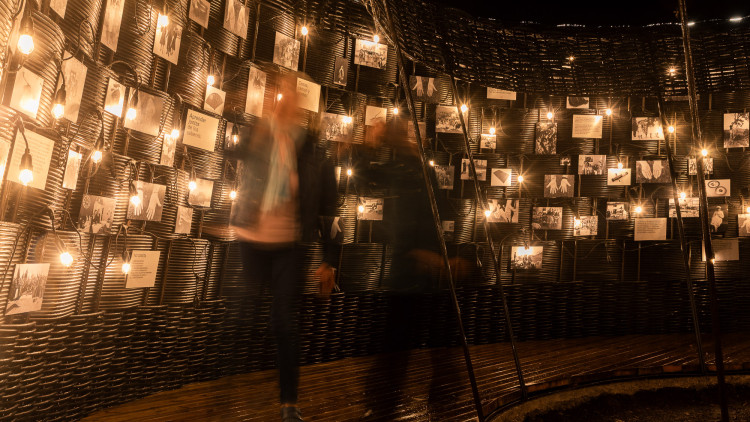
The artwork resulting from the Energy Aftermath Living Lab
Cuévana, a collective artistic project mediated by Alfredo Escapa Presa, emerged in Barruelo de Santullán (Palencia, Castile and León), a territory deeply shaped by coal mining and its social, economic and environmental consequences. The project set out to recover the memories and experiences of the women who helped sustain life in the mining community, but whose contributions have largely been left out of its collective history.
The memory of mining has traditionally been built around the figure of the male miner, portrayed as a heroic protagonist who faced the dangers and hardships of underground work. This dominant narrative has overshadowed the essential role played by women in sustaining the community through their work, care responsibilities, political involvement and networks of mutual support. Although their contributions were fundamental to the social and economic organisation of mining life, their experiences have rarely occupied a central place in the story told about the territory.
Through a collective process involving a group of women living in or descended from Barruelo de Santullán, the project brought these overlooked memories to the surface. Meetings, conversations, walks around the territory and exchanges of family photographs and personal objects allowed participants to reconstruct everyday life in the mining community and share stories that had remained largely invisible. The process raised a central question: how could the history of mining be retold beyond the heroic figure of the miner, making room for the women whose work and experiences also shaped the territory? The group invited the artistic collective Todo por la Praxis (TxP) to translate these concerns into an intervention that would give material form to this alternative memory.
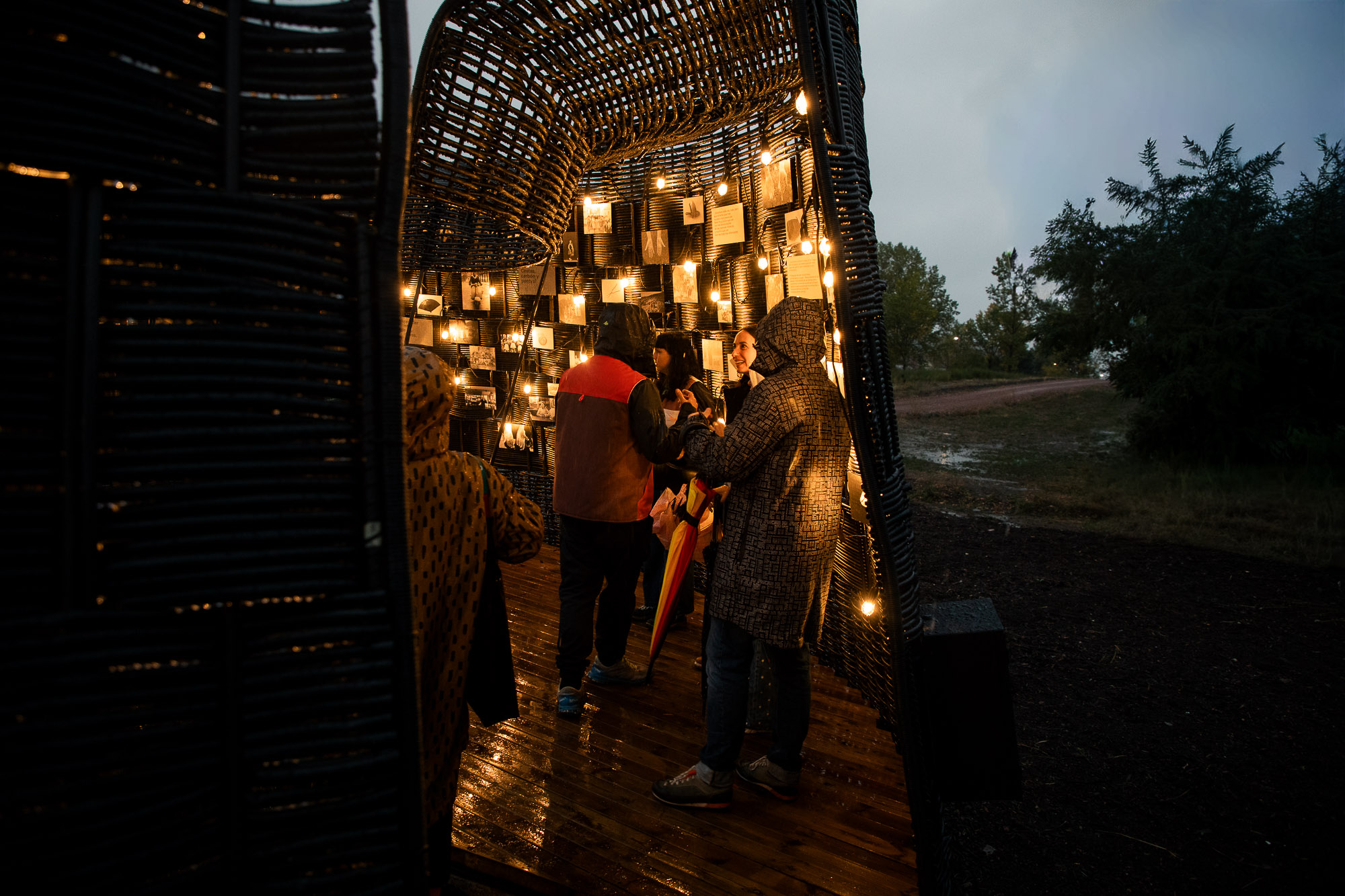
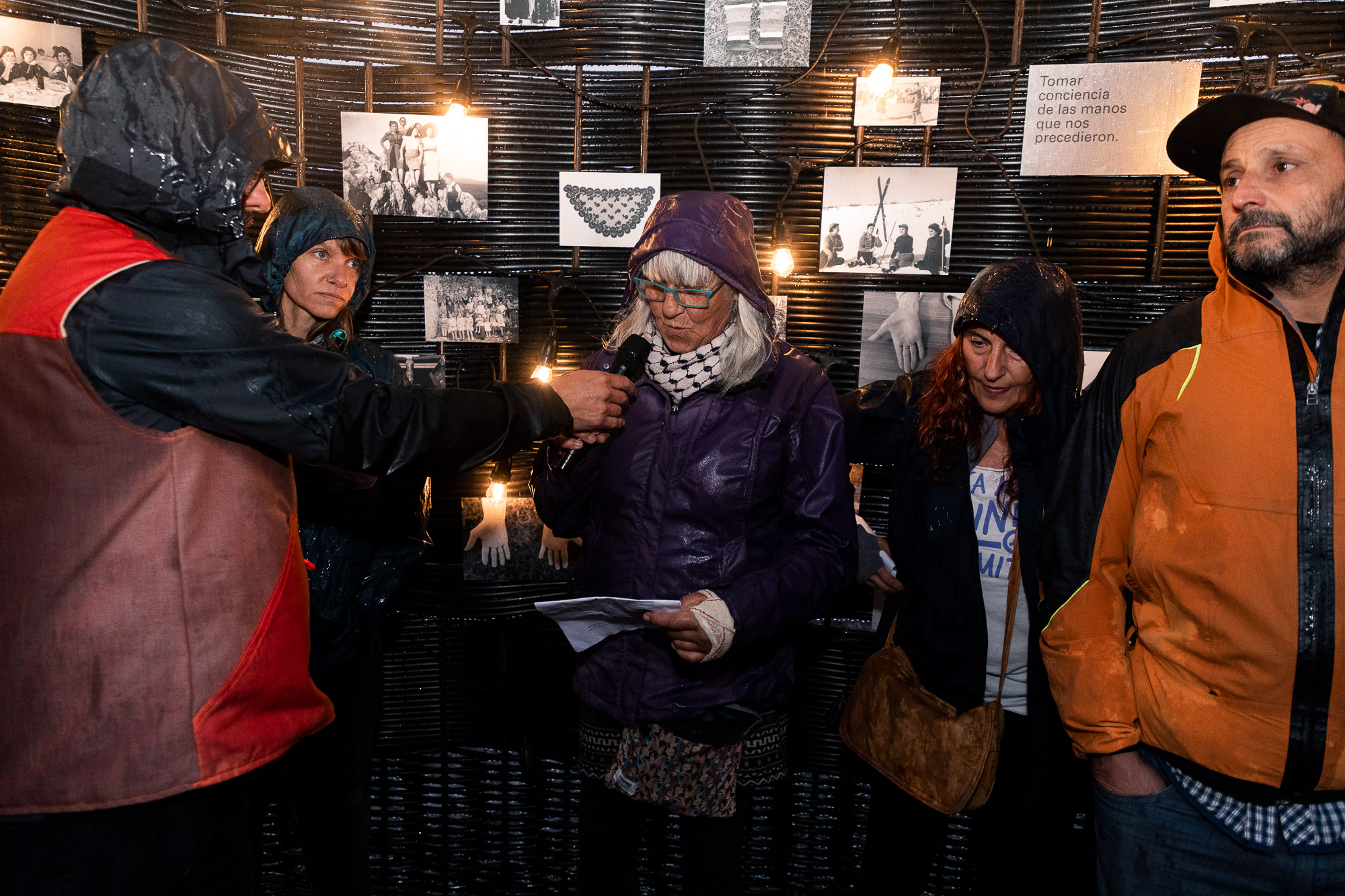
The resulting work, Cuévana, takes its name and inspiration from the cuévano, a handwoven basket traditionally used by women to collect coal from the mine's spoil heap and transport coal, wood and other materials needed to sustain everyday life. By feminising its name, the work introduces a gesture of symbolic recognition, shifting attention towards the gestures of gathering, carrying, containing and sustaining that have remained largely invisible in the history of mining. The project also draws on Ursula K. Le Guin's The Carrier Bag Theory of Fiction, which proposes an alternative to heroic narratives centred on individual protagonists, understanding stories instead as containers capable of holding multiple experiences and relationships.
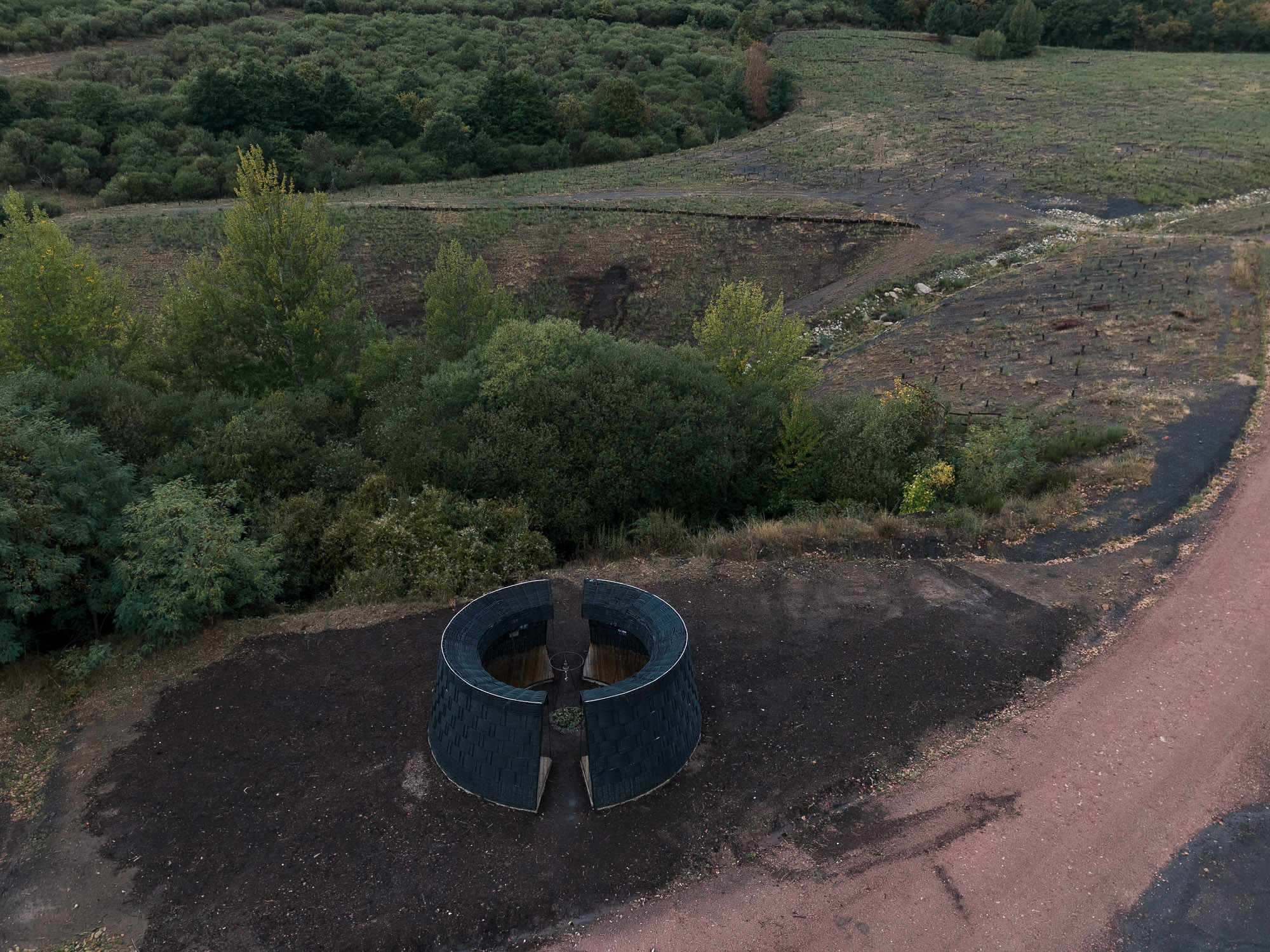
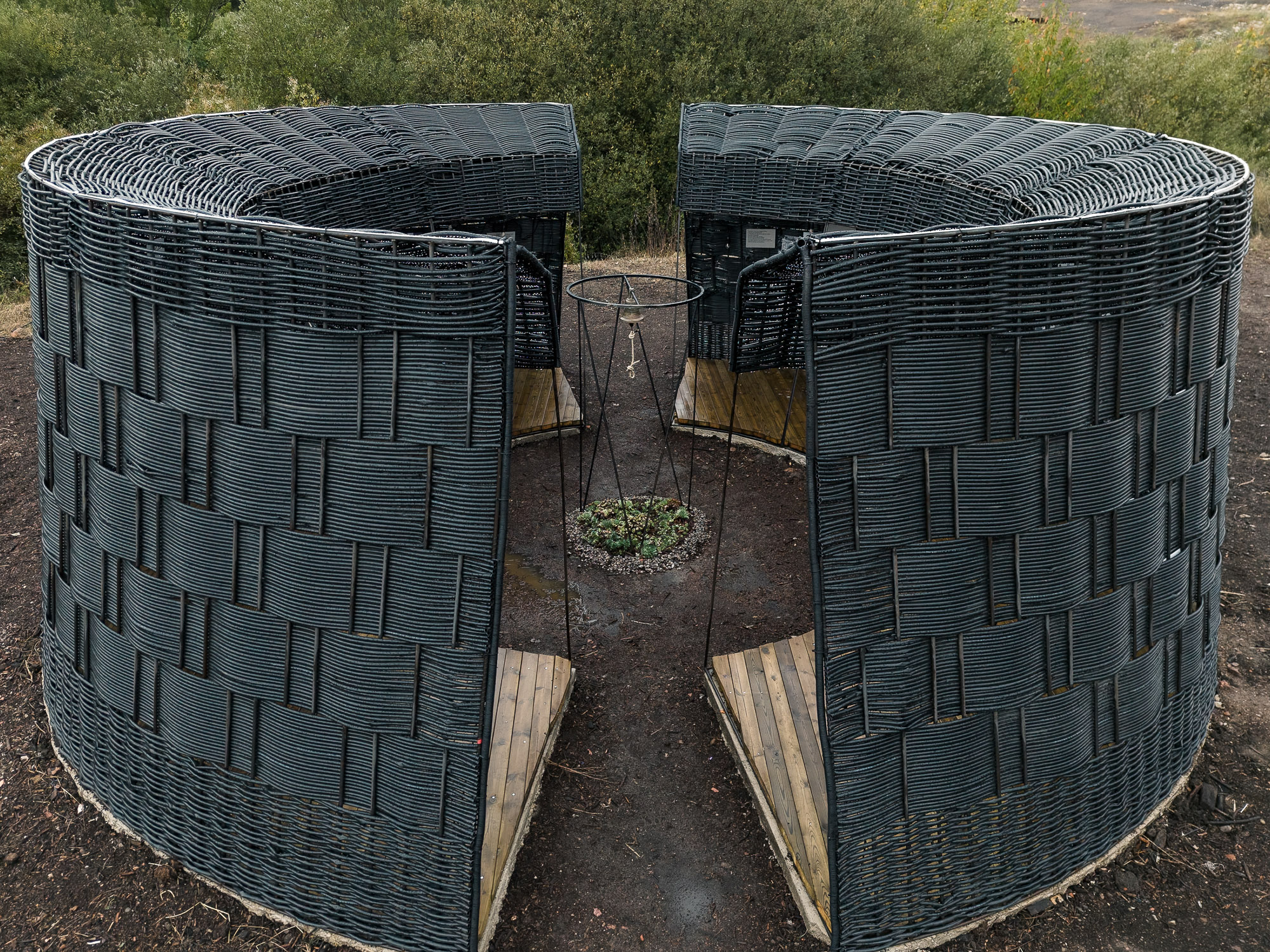
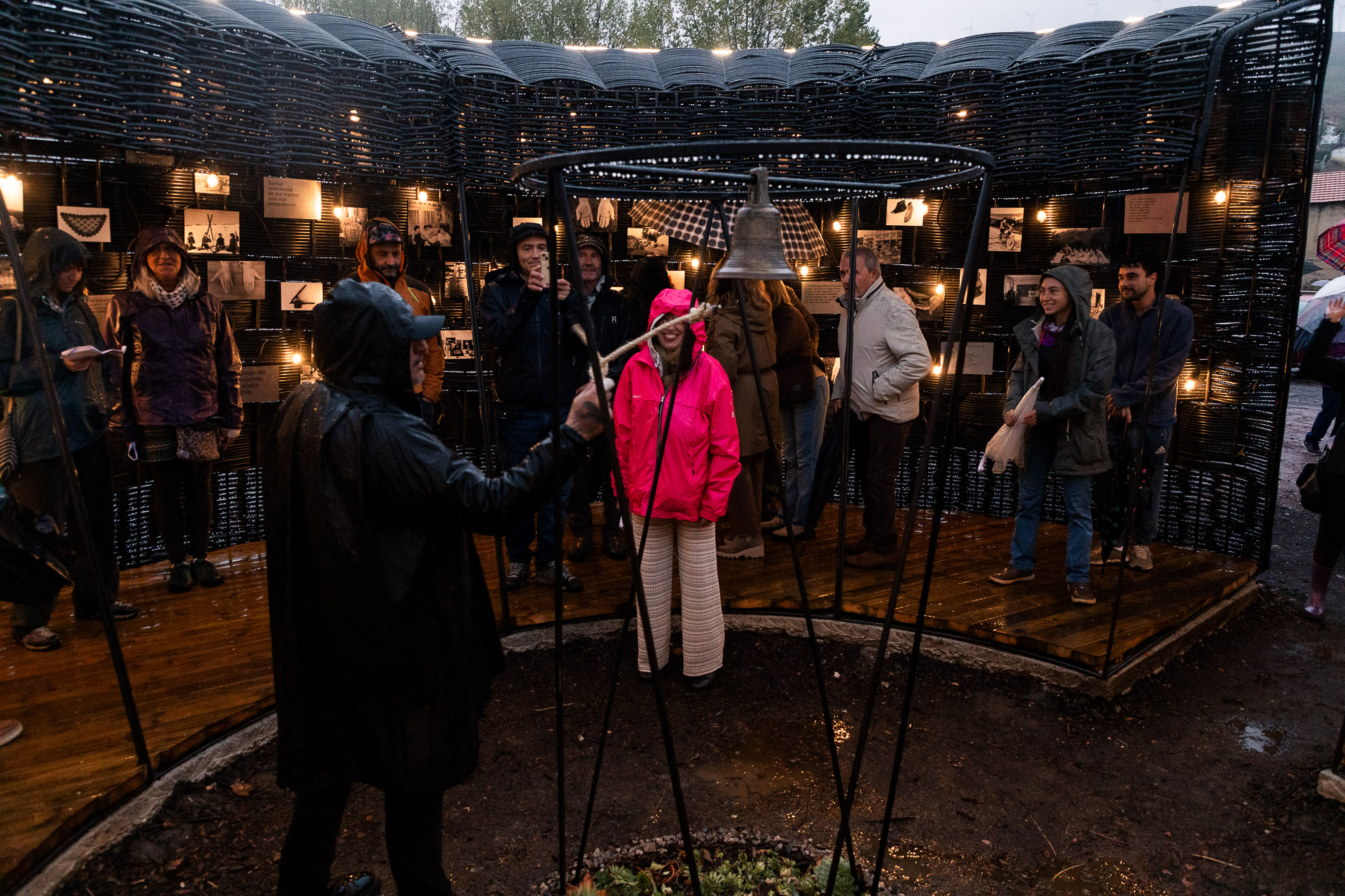
Located on the former mining spoil heap, Cuévana takes the form of an eight-metre-diameter circular structure made of iron and woven collectively with drip-irrigation hose. Its construction extended the encounters and conversations that gave rise to the project, turning the act of weaving into another opportunity for collective participation and exchange.
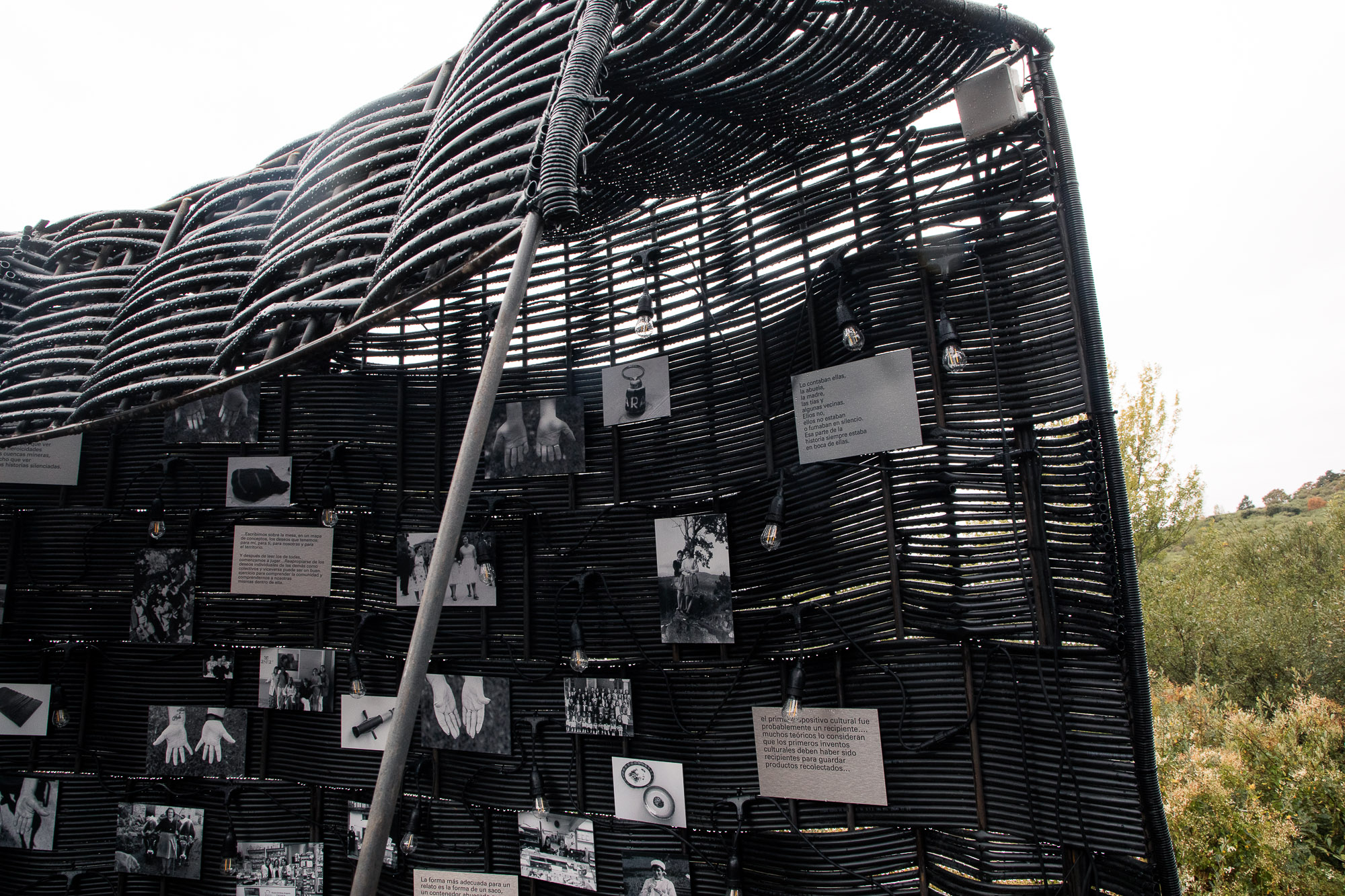
Conceived as a space that visitors can enter and move through, the installation brings together archival photographs, images produced by Todo por la Praxis, written testimonies and texts suspended from its woven structure. Warm LED lighting illuminates the photographs, while the contents are organised into five thematic layers: women's political positions, work, care, pleasure and the transmission of cultural memory. Family photographs and images from the town's archives are combined with portraits of hands, photographs of preserved objects and records of contemporary occupations. Fragments of the participants' own words appear alongside texts by Ursula K. Le Guin and When Survival Becomes Resistance, by C. García, M. J. Prieto and R. Díez. A bell also recalls the memory of the one that once warned whenever someone from the village had to cross the mine, which at the time occupied the centre of the community.
More than a monument to the mining past, Cuévana proposes a symbolic restitution of the women's role in the social, cultural and political construction of Barruelo de Santullán. By challenging a historical narrative centred on the heroic male miner, the work brings forward the experiences of those who sustained the community through forms of labour, care and collective organisation that rarely received the same recognition. Its circular, woven structure becomes a container for stories that have been overlooked, asking what other history might emerge when those who have been left outside the dominant narrative are finally given a place at its centre.