
Towards the Šibenik Commission
This is how the Šibenik Commission was conceived
Here you can read the Croatian version / Ovdje možete pročitati hrvatsku verziju
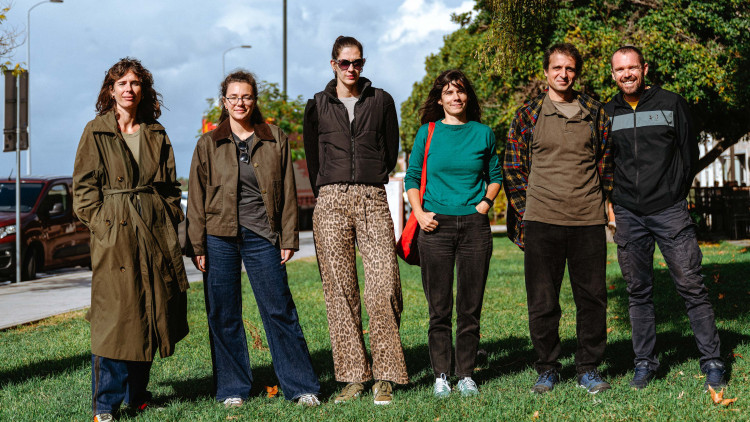
Throughout 2025, the "Citizens of Šibenik" commissioners and I, as the mediator, met in different locations across Šibenik, combining discussions with research, walks, and exchanges with professionals to talk about the commission we wanted to write.
Even though the problems of Crnica are difficult, by the end of the year we realized that we had been working on a very complex but also greatly important task for the community of Šibenik.
Our discussions mostly tackled the issue of contamination and memory, and we tried to put it all in the Commission document. I was especially proud when the group expressed its willingness to take the responsibility for the contaminative matter that was transferred from Šibenik to the hinterland, into the small village of Biljane Donje.
It is very difficult to comprehend the gaslighting that has been performed by the local politicians: the same matter was proclaimed poisonous by the European Court in Biljane Donje, and claimed harmless in Šibenik’s Crnica by the local politicians. It takes a lot of courage to tackle the issue, and we were all very grateful to the insights of Davorka Blažević's, a journalist who has been following the problem of Crnica professionally but also observing it from a very close distance, or, better to say with no distance, as an inhabitant.
After all the meetings and debates we had as a group, this is what we decided: the commissioners want to commission an art project that contributes to public discussion rather than offering a definitive solution to the complex problems of Crnica. These are some important notes the chosen artist should take into account:
- The artwork should be processual and participatory, transforming the site into a space for learning, exchange, and imagination.
- The artist is expected to work closely with the group of commissioners and the project mediator, listening to their motivations and frustrations, and translating them into a form that allows both the experience of the past and the imagination of the future to coexist.
- The project should raise awareness about the history of electrification, deindustrialisation, and environmental contamination, while serving as a model for how civic participation can challenge the neglect of alienated spaces and open them up to more just and sustainable futures.
Tijekom 2025. godine, građani Šibenika i ja, kao medijatorica, sastajali smo se na različitim lokacijama diljem Šibenika, kombinirajući razgovore s istraživanjima, šetnjama i razmjenama s profesionalcima kako bismo diskutirali narudžbu umjetničkog djela koju smo željeli napisati. Iako su problemi u Crnici teški, do kraja godine shvatili smo da smo radili na vrlo složenom, ali i iznimno važnom zadatku za šibensku zajednicu.
Naši su se razgovori uglavnom bavili pitanjem kontaminacije i pamćenja, a pokušali smo sve to staviti u dokument narudžbe. Posebno sam bila ponosna kada je grupa izrazila spremnost preuzeti odgovornost za kontaminirajuću materiju – trosku, koja je prenesena iz Šibenika u zaleđe, u malo selo Biljane Donje.
Vrlo je teško shvatiti izigravanje građana koje su provodili lokalni političari: jednu te istu trosku je Europski sud proglasio otrovnom u predmetu Biljane Donje, dok su je lokalni političari proglasili bezopasnom u šibenskoj Crnici. Potrebno je mnogo hrabrosti za uhvatiti se u koštac s tim pitanjem, i svi smo bili vrlo zahvalni na uvidima Davorke Blažević, novinarke koja je profesionalno pratila problem Crnice, ali ga je promatrala i iz neposredne blizine, ili, bolje rečeno, bez distance, kao stanovnica kvarta.
Nakon svih sastanaka i rasprava koje smo imali kao grupa, odlučili smo sljedeće: naručitelji žele naručiti umjetnički projekt koji doprinosi javnoj raspravi, a ne nudi konačno rješenje složenih problema Crnice.
Ovo su neke važne napomene koje odabrani umjetnik/ odabrana umjetnica treba uzeti u obzir:
- Umjetničko djelo treba biti procesualno i participativno, pretvarajući mjesto u prostor za učenje, razmjenu i imaginaciju.
- Od umjetnika/ce se očekuje da blisko surađuje s grupom naručitelja i medijatoricom projekta, slušajući njihove motive i frustracije, prevodeći ih u oblik koji omogućuje koegzistenciju iskustva prošlosti i imaginacije mogućih budućnosti.
- Projekt bi trebao podići svijest o povijesti elektrifikacije, deindustrijalizacije i onečišćenja okoliša, istovremeno služeći kao model procesa kako građanska participacija može propitivati zanemarivanje otuđenih prostora i otvoriti ih za pravedniju i održiviju budućnost.